The Problem Statins Can’t Solve
Most cardiovascular medications work on numbers. Statins lower LDL. ACE inhibitors lower blood pressure. Blood thinners reduce clotting factors. These are meaningful interventions, and for many people they are lifesaving. But there is something none of them do: dissolve fibrin.
Fibrin is a protein that forms the structural matrix of blood clots. When your body repairs damaged arterial walls, it lays down fibrin as a kind of biological scaffolding. In a healthy circulatory system, your body’s own fibrinolytic enzymes break this down continuously as part of normal maintenance. The problem is that fibrinolytic activity declines significantly with age — leaving fibrin to accumulate in arterial walls and blood vessels where it contributes to stiffness, restricted flow, increased clot risk, and elevated blood pressure. Statins do not address this. Blood pressure medications do not address this. They manage the downstream consequences while the underlying fibrin burden keeps building.
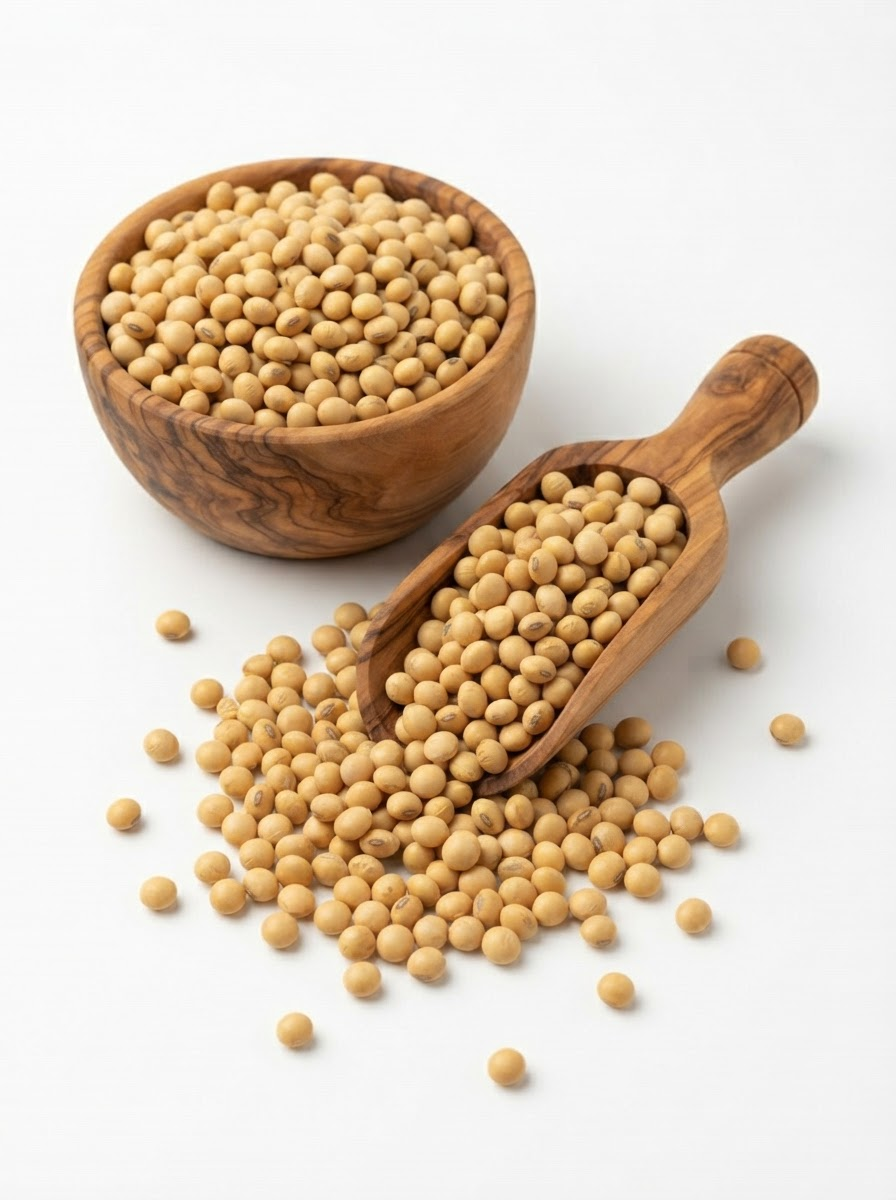
Nattokinase is an enzyme derived from natto — a traditional Japanese food made from soybeans fermented with Bacillus subtilis natto. It is the only orally active fibrinolytic enzyme known to survive digestion, enter the bloodstream, and directly dissolve fibrin. That is not marketing language. It is the mechanism documented in peer-reviewed research.
What the Japanese Data Showed
The Takayama study — one of the largest cardiovascular epidemiological studies ever conducted in Japan — followed nearly 29,000 people over an extended period and examined the relationship between regular natto consumption and cardiovascular outcomes. The results were significant: people who regularly consumed natto showed meaningful reductions in cardiovascular events, improved blood flow markers, and enhanced fibrinolytic activity compared to those who did not consume it. The study’s findings (PubMed ID: 27927636) contributed substantially to the research interest in nattokinase as an isolated supplement.
Japan has among the lowest rates of cardiovascular disease in the developed world. Natto is a staple food in many regions of Japan, consumed regularly by a large portion of the population. While diet and lifestyle are clearly multifactorial, the consistent presence of nattokinase in the traditional Japanese diet has drawn attention from cardiovascular researchers who see the fibrinolytic enzyme as a likely contributing factor.
“Statins lower your cholesterol numbers. Blood pressure medications lower your pressure numbers. Nattokinase does something neither of those drugs can do: it dissolves the fibrin already built up in your arterial walls.”
Fibrinolysis: The Mechanism
Nattokinase is a serine protease — an enzyme that cleaves protein bonds. It acts directly on fibrin, breaking the cross-linked protein strands that hold clots and arterial deposits together. Studies have demonstrated that nattokinase is approximately four times more effective at degrading fibrin than plasmin, the body’s own primary fibrinolytic enzyme. It also enhances the production of tissue plasminogen activator (tPA), amplifying your body’s existing fibrinolytic system rather than simply replacing it.
Beyond direct fibrinolysis, nattokinase reduces circulating fibrinogen — the precursor protein that becomes fibrin when activated by clotting cascades. Lower fibrinogen means less raw material for dangerous clot formation. Studies have documented reductions in fibrinogen of up to 10%, Factor VIII (a key clotting factor) by up to 19%, and Factor VII by up to 14% with regular nattokinase supplementation. These are the proteins that make blood pathologically thick and prone to spontaneous clotting.
Blood Pressure and the ACE Pathway
One of the more surprising findings in nattokinase research is its blood pressure effect. Nattokinase inhibits angiotensin-converting enzyme (ACE) — the same target as widely prescribed ACE inhibitor drugs like lisinopril and ramipril. ACE converts angiotensin I to angiotensin II, a potent vasoconstrictor. Block ACE, and blood vessels relax, peripheral resistance drops, and blood pressure falls.
A randomized, double-blind, placebo-controlled trial published in Hypertension Research found that nattokinase supplementation over 8 weeks produced significant reductions in both systolic and diastolic blood pressure in subjects with pre-hypertension and stage 1 hypertension. The blood pressure-lowering effect is additive to the fibrinolytic effect — the two mechanisms work simultaneously through independent pathways.
Arterial Plaque: The 36% Finding
The most striking nattokinase data involves arterial plaque reversal. A clinical trial published in the European Journal of Nutrition found that nattokinase supplementation over 26 weeks reduced carotid intima-media thickness (CIMT) — the standard imaging measure of arterial plaque burden — by 36.6% in the treatment group, compared to no change in placebo. Statin drugs typically slow the progression of CIMT increase. Nattokinase reversed it.
The proposed mechanism is that nattokinase breaks down the fibrin matrix that anchors plaque deposits to arterial walls, enabling the immune system’s normal clearance processes to work more effectively. Once the fibrin scaffolding holding plaque in place is dissolved, macrophages can access and clear the lipid and cellular debris more efficiently. This is a fundamentally different mechanism than statins, which reduce the supply of new cholesterol without addressing the existing deposits.
Circulation and Cognitive Protection
Improved fibrinolysis produces benefits that extend beyond the heart and major arteries. Better blood flow to the brain means better cognitive function and reduced risk of vascular dementia, which is increasingly understood to involve microclot accumulation in cerebral vessels. Cerebral microclots impair neurotransmitter delivery and contribute to the cognitive decline often misattributed purely to neurodegeneration.
Nattokinase has also been shown to increase expression of ADAM10 — a gene involved in cleaving amyloid precursor protein through a non-amyloidogenic pathway. In plain terms: nattokinase reduces the production of amyloid-beta, the protein fragment that accumulates in Alzheimer’s disease. This is early-stage research, but the mechanism is documented and biologically plausible in the context of nattokinase’s vascular effects.
For people with type 2 diabetes, where peripheral circulation is often compromised and microvascular damage drives neuropathy and retinopathy, improved fibrinolytic activity offers downstream protection across multiple organ systems.
“In a 26-week clinical trial, nattokinase reduced carotid artery plaque thickness by 36.6%. Statin drugs typically slow plaque growth. This reversed it.”
How to Take It
Dosing unit: Nattokinase is measured in FU — fibrinolytic units — not milligrams. This is important because the enzyme activity matters, not the weight of the compound. A product labeled “100mg nattokinase” tells you nothing about potency. Always look for FU on the label.
Dose: Most therapeutic research has used 2,000–4,000 FU per day. Some practitioners and higher-dose protocols use more. Look for products standardized and measured in FU from a reputable manufacturer. The dose that showed the most consistent cardiovascular benefits across multiple trials falls in the 2,000–4,000 FU range daily.
Timing: On an empty stomach, preferably in the morning. Food — particularly protein — can compete with or reduce enzymatic activity in the gut before the nattokinase is absorbed. Some practitioners recommend taking it away from meals entirely.
Critical interaction warning: Nattokinase has significant anticoagulant and fibrinolytic activity. If you are on any blood-thinning medication — warfarin, Eliquis (apixaban), Xarelto (rivaroxaban), Plavix (clopidogrel), or any antiplatelet drug — do not add nattokinase without your physician’s explicit approval and monitoring. The effects are additive. Combining nattokinase with pharmaceutical anticoagulants without oversight can increase bleeding risk significantly. This is the one supplement on this entire site where that warning is most emphatic.
Soy allergy: Nattokinase is derived from fermented soybeans. People with soy allergies should use caution. Look for nattokinase products that specify they are free of soy protein if this is a concern — the fermentation process removes most soy protein but some products vary.
This page is for informational purposes only and is not medical advice. Consult your physician before making changes to your medications or supplement regimen. If you are on blood thinners or anticoagulants, the interaction warning above is particularly important — do not begin nattokinase without physician oversight.
Sources
- Suzuki, Y. et al. (2003). Dietary supplementation of fermented soybean, natto, suppresses intimal thickening and modulates the lysis of mural thrombi after endothelial injury in rat femoral artery. Life Sciences, 73(10).
- Kim, J.Y. et al. (2008). Effects of nattokinase on blood pressure: a randomized, controlled trial. Hypertension Research, 31(8).
- Ren, N.N. et al. (2017). A clinical study on the effect of nattokinase on carotid artery atherosclerosis and hyperlipidaemia. Zhongguo Zhong Yao Za Zhi. The 36.6% CIMT reduction trial.
- PubMed (2016). Natto consumption and cardiovascular outcomes in the Takayama cohort study. PMID 27927636.
- Weng, Y. et al. (2017). Nattokinase: an oral antithrombotic agent for the prevention of cardiovascular disease. International Journal of Molecular Sciences, 18(3).
- Jensen, G.S. et al. (2016). Consumption of nattokinase is associated with reduced blood pressure and von Willebrand factor, a cardiovascular risk marker. Integrated Blood Pressure Control, 9.