What the G7 Actually Does
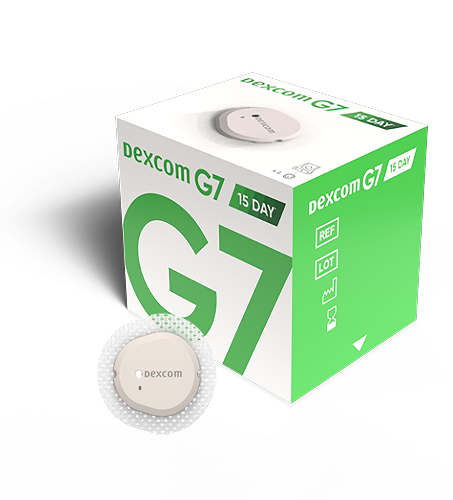
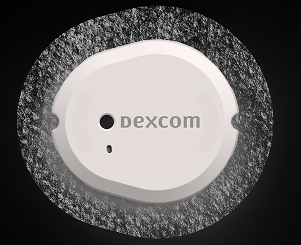
The Dexcom G7 is a 15-day continuous glucose monitor. A small sensor, roughly the size of a nickel, attaches to the back of your upper arm or abdomen. A filament thinner than a human hair sits just beneath the skin and reads interstitial glucose fluid every five minutes. The reading transmits directly to the Dexcom app on your phone and, if you use one, to an Apple Watch or compatible smartwatch.
No calibration required. No finger sticks to validate the readings during normal use. Just a real-time stream of glucose data, 24 hours a day, for 15 consecutive days per sensor. When the sensor expires, you swap it, the process takes about a minute.
The G7 also includes predictive alerts. If your glucose is trending toward a high or low threshold, you get notified before you cross the line, not after. For Type 2 diabetics on certain medications, the low glucose alert alone is worth it. But the alerts I pay most attention to are the highs, because watching a number climb past 160, then 170, then 185, and knowing exactly what I just ate to cause it, is the kind of feedback loop that slowly rewires how you make decisions.
The Goldilocks Zone
On the G7 my personal target range is set at 70–185 mg/dL and appears as a gray area and is what my doctor referred to as the Goldilocks Zone. The ceiling above 185 is where things start going sideways, not dangerously, not immediately, but consistently. Glucose above that level for sustained periods drives inflammation, accelerates glycation, and over time adds up to the damage that makes diabetes progressive.
Before the G7, I had no idea how often I was crossing that line. I assumed I was doing reasonably well. I wasn’t. The G7 showed me that certain foods I thought were “fine,” the ones I had rationalized as acceptable, were spiking me to 220, 240, sometimes higher. That was the end of that conversation with myself.
“Admitting you are a Denyabetic™ is the first step on the journey. The G7 is the mirror that makes that step impossible to avoid.”
The Dexcom G7 in Practice for Type 2
Most CGM content online is written for Type 1 diabetics managing insulin dosing. The Type 2 experience is different. We’re not typically calculating bolus corrections off a CGM reading. What the G7 gives us instead is behavioral data, a continuous record of how our specific body responds to our specific food choices, activity level, stress, and sleep.
That data is genuinely different for every person. The same meal that sends one person to 195 might only move another to 145. The G7 stops you from guessing. Over time, you build an internal map of what your body does, which means when you’re standing in front of a menu or an open fridge, you already know what’s coming. You can still choose badly. But you can’t pretend you don’t know.
Coverage and Assistance
The G7 is covered by Medicare for Type 2 diabetics on insulin, and coverage through private insurance has expanded significantly in recent years. If you’re not on insulin, coverage is less reliable but improving, it’s worth calling your insurer directly and asking specifically about CGM coverage for Type 2. Dexcom also has a patient assistance program for uninsured and underinsured users.
A Note on the Other CGMs
The major alternatives are the Abbott FreeStyle Libre 3, the Medtronic Guardian 4, and the Eversense E3 (an implantable long-term option). I have only used the Dexcom G7. I can speak honestly about my own experience, the accuracy, the app, the integration with Apple Health, and the alerts, but I am not going to tell you another device is inferior based on specs alone. If you’re using a Libre 3 and it’s working for you, that is exactly the right device.
What I’m certain of is this: if you are a Type 2 diabetic and you are not wearing a CGM, you are managing a complex metabolic condition with delayed, infrequent, and incomplete information. The goal of this page is not to sell you a specific brand. It is to make the case that real-time glucose visibility changes behavior in a way nothing else does.
Dexcom® and Dexcom G7® are registered trademarks of Dexcom, Inc. This page reflects personal experience only and is not sponsored by or affiliated with Dexcom in any way. This is not medical advice.
References
- Dexcom, Inc. (2024). Dexcom G7 Continuous Glucose Monitoring System — User Guide. dexcom.com
- American Diabetes Association (2024). Standards of Care in Diabetes. Diabetes Care, 47(Suppl 1). Section 7: Diabetes Technology.
- Bergenstal, R.M. et al. (2021). Continuous Glucose Monitoring for Type 2 Diabetes in Primary Care. New England Journal of Medicine, 383, 1826–1836.
- Beck, R.W. et al. (2017). Effect of Continuous Glucose Monitoring on Glycemic Control in Adults with Type 1 Diabetes Using Insulin Injections. JAMA, 317(4), 371–378.