Nature’s Metformin
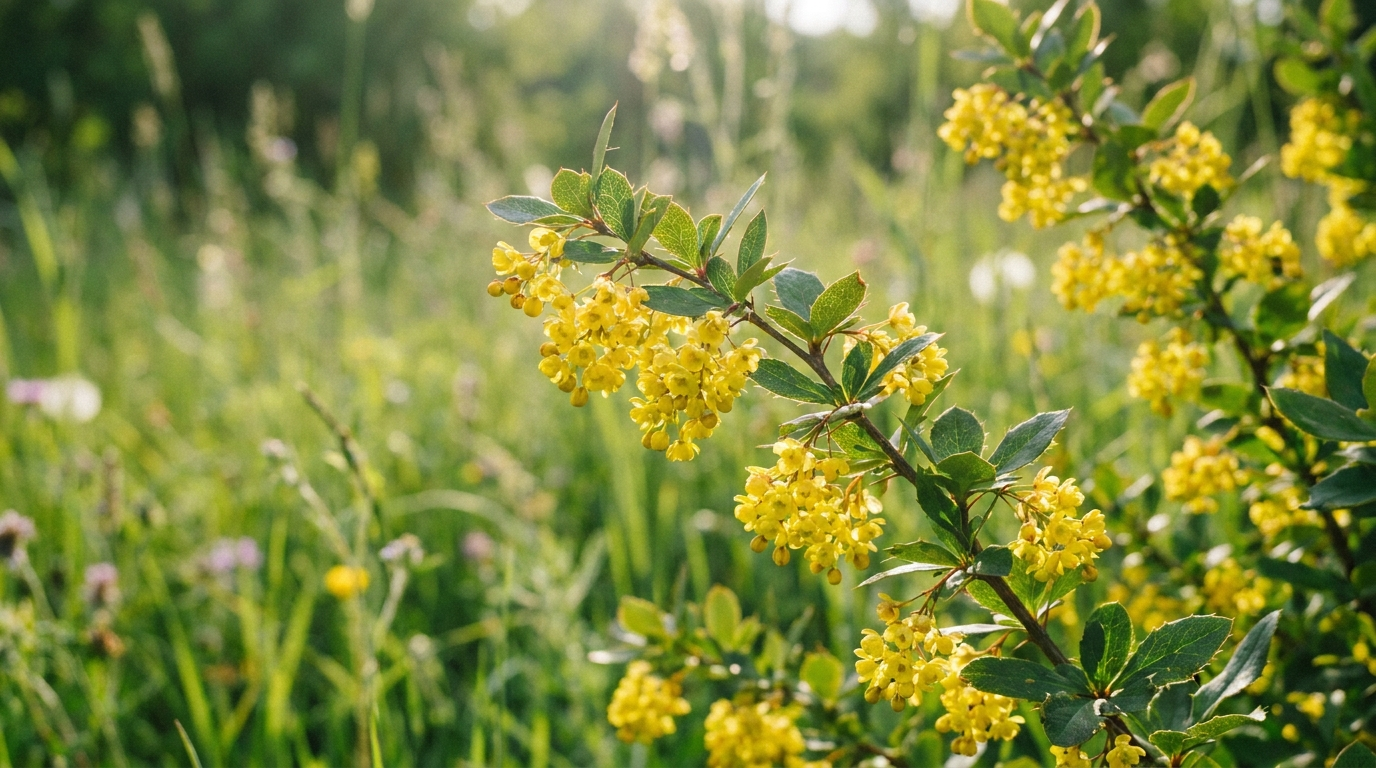
Berberine is a yellow alkaloid compound extracted from several plants used in traditional Chinese and Ayurvedic medicine, including barberry, goldenseal, and Oregon grape. It has been used clinically in China for decades — as an antimicrobial, as a lipid-lowering agent, and increasingly as a glucose-lowering intervention. In the West, berberine became widely known after a landmark 2008 study published in Metabolism put it head-to-head with metformin and found the two drugs comparable in reducing HbA1c and fasting blood glucose in newly diagnosed type 2 diabetics.
That comparison electrified the supplement community. Metformin is the most prescribed diabetes drug in the world, with an excellent safety profile and decades of evidence. The idea that a plant-derived compound could match it drew both excitement and legitimate skepticism. The research since 2008 has largely validated the finding while adding nuance: berberine and metformin work through overlapping but distinct mechanisms, and they may be complementary rather than interchangeable.
The AMPK Mechanism
Both berberine and metformin activate AMPK — AMP-activated protein kinase, the cellular energy sensor that regulates glucose and fat metabolism. When AMPK is activated in the liver, it suppresses gluconeogenesis — the liver’s production of glucose from stored glycogen and amino acids. In type 2 diabetes, the liver chronically overproduces glucose (including overnight while you sleep), contributing to elevated fasting glucose. AMPK activation reins this in.
In skeletal muscle, AMPK activation promotes glucose uptake via GLUT-4 transporter expression — the same mechanism discussed in the Creatine section. More GLUT-4 on the cell surface means more glucose entering muscle cells, less staying in the bloodstream.
Where berberine diverges from metformin: it also inhibits DPP-4, the enzyme that breaks down GLP-1. GLP-1 is the gut hormone that signals satiety and stimulates insulin release in response to food. Inhibiting DPP-4 prolongs GLP-1 activity — this is the same mechanism as the prescription drug class called gliptins (sitagliptin, saxagliptin, etc.). Berberine is essentially doing metformin + gliptin in a single compound, at lower potency, through natural pathway modulation.
“In the 2008 head-to-head trial, berberine reduced HbA1c by 2.0% versus metformin’s 2.01%. The margin was essentially zero. That is not a trivial finding.”
The Gut Microbiome Angle
Berberine has poor oral bioavailability — only about 5% of an oral dose makes it into systemic circulation. This puzzled researchers for years, because the clinical effects are clearly significant despite low blood levels. The explanation now gaining traction is that berberine’s primary site of action may be the gut itself, where it modulates the microbiome in ways that improve metabolic health downstream. Berberine selectively alters the composition of gut bacteria, increasing short-chain fatty acid producers that improve insulin sensitivity and reduce gut-derived inflammatory signals. The poor bioavailability is not a limitation — it may be part of the mechanism.
Lipid Effects
Berberine also reduces LDL cholesterol through a mechanism distinct from statins: it upregulates LDL receptor expression on liver cells, pulling more LDL out of circulation. Studies have shown 15–25% reductions in LDL with berberine alone. Combined with its glucose-lowering effects, berberine addresses two of the primary cardiovascular risk factors in T2D simultaneously.
How to Take It
Dose: 500mg, two to three times daily with meals. The split dosing matters — berberine’s half-life in the body is short, and single large doses are less effective than divided doses. Total daily dose in most trials is 1000–1500mg.
Timing: With or just before meals. The glucose-lowering effect is meal-dependent and most useful when timed around carbohydrate intake.
Interactions: This is the most important section on this page. Berberine has significant drug interactions. It is metabolized by CYP2D6 and CYP3A4 liver enzymes and can inhibit them, affecting the blood levels of many other drugs. It may potentiate the effects of diabetes medications (hypoglycemia risk), blood thinners, and certain blood pressure medications. If you are on prescription diabetes medications, do not add berberine without discussing it with your physician. The additive blood-sugar-lowering effect is real and can cause problems.
GI side effects: Nausea, cramping, and diarrhea are the most common complaints, particularly at the start. Starting at 500mg once daily and titrating up over two weeks reduces this substantially.
This page is for informational purposes only and is not medical advice. Consult your physician before making changes to your medications or supplement regimen.
Sources
- Yin, J. et al. (2008). Efficacy of berberine in patients with type 2 diabetes mellitus. Metabolism, 57(5). The landmark metformin comparison trial.
- Lan, J. et al. (2015). Meta-analysis of the effect and safety of berberine in the treatment of type 2 diabetes mellitus. Medicine, 94(14).
- Cleveland Clinic Health (2024). Berberine vs. metformin: are they the same? health.clevelandclinic.org
- Superage (2025). Berberine: the natural compound that lowers blood sugar and activates AMPK. superage.app
- Zhang, Y. et al. (2012). Treatment of type 2 diabetes and dyslipidemia with the natural plant alkaloid berberine. Journal of Clinical Endocrinology & Metabolism.