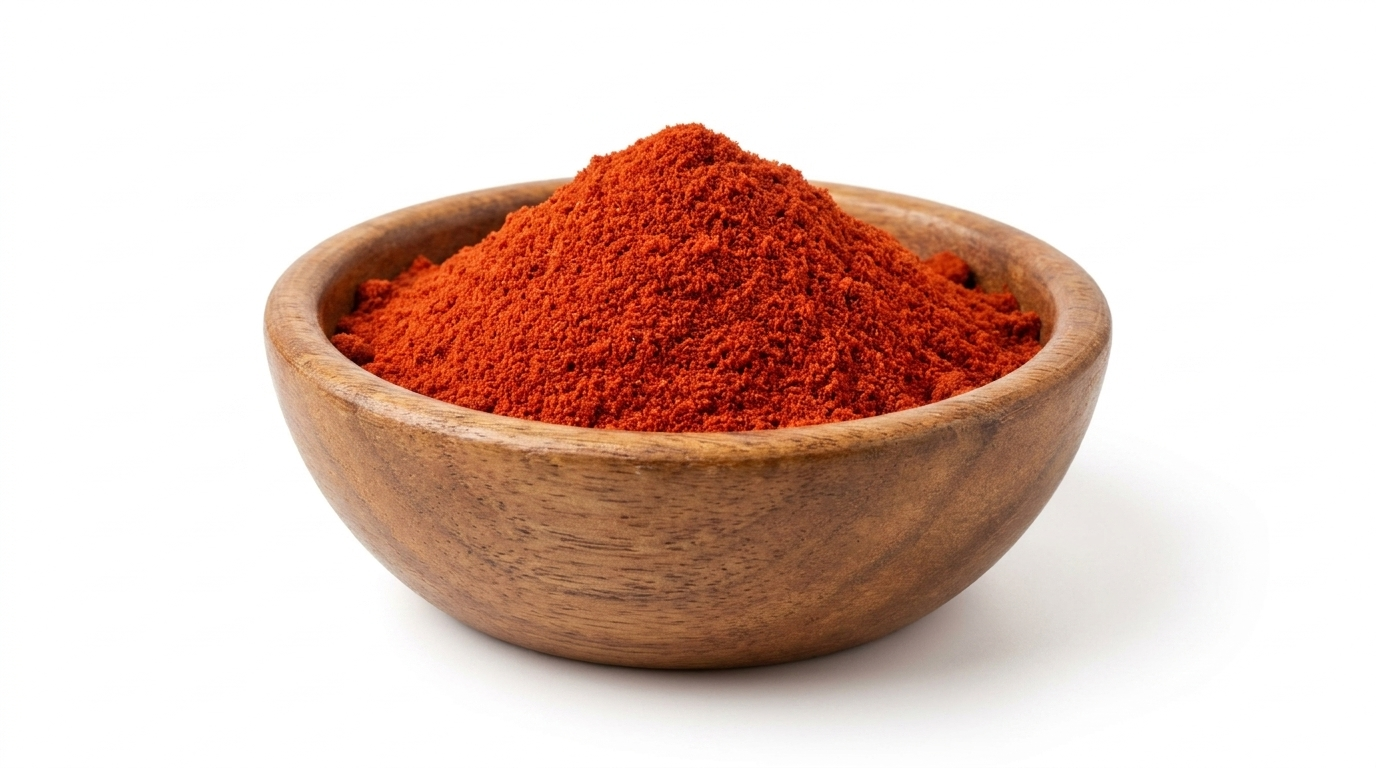
What Makes Salmon Pink
Astaxanthin is the carotenoid pigment that gives salmon, shrimp, lobster, and flamingos their distinctive pink-to-red color. Animals cannot synthesize it themselves — it comes from the microalgae they eat. The primary commercial source for supplements is Haematococcus pluvialis, a freshwater algae that produces astaxanthin in extraordinary concentrations when under environmental stress.
By antioxidant capacity, astaxanthin is not in the same league as vitamins C and E — it is in a different sport. Research has measured it at 6,000 times the antioxidant power of vitamin C, 800 times that of CoQ10, and 550 times that of vitamin E by certain assays. These comparisons are measurement-method dependent and should be taken as directional rather than absolute, but the underlying point is real: astaxanthin’s molecular structure gives it an unusual capacity to neutralize multiple types of reactive oxygen species simultaneously, including singlet oxygen, which most antioxidants cannot address.
What makes astaxanthin structurally unique among carotenoids is that it spans the entire cell membrane — anchoring both the water-soluble interior and lipid-soluble membrane — allowing it to protect the whole cell from oxidative damage simultaneously. Beta-carotene and lycopene are only lipid-soluble; vitamin C is only water-soluble. Astaxanthin does both.
“Astaxanthin spans the full cell membrane, inside and outside. Most antioxidants only reach one compartment. That’s the structural advantage that makes the potency numbers real, not marketing.”
Diabetes and Oxidative Stress
Type 2 diabetes is, among other things, a disease of chronic oxidative stress. Sustained elevated glucose generates free radicals through a process called glycation and through mitochondrial electron transport chain uncoupling. This oxidative damage to blood vessel walls is the primary driver of the long-term complications of diabetes: neuropathy, retinopathy, nephropathy, and accelerated atherosclerosis. Reducing oxidative burden is not a side benefit of diabetes management — it is central to preventing the damage that makes diabetes so dangerous over time.
A 2021 PubMed review titled Natural Antioxidants in Diabetes Treatment and Management: Prospects of Astaxanthin highlighted astaxanthin’s specific relevance to diabetes, noting its ability to reduce glucose-induced oxidative stress in vascular endothelial cells, protect pancreatic beta cells from oxidative damage, and improve insulin sensitivity through reduction of inflammatory cytokines.
A clinical study in T2D patients found that 8 weeks of astaxanthin supplementation improved glycemic management, reduced systolic blood pressure, improved lipid profiles (higher HDL, lower triglycerides), and decreased the oxidative stress marker malondialdehyde (MDA) while increasing antioxidant enzyme activity. The compound is doing multiple things simultaneously in metabolic disease.
Anti-Inflammatory Action
Astaxanthin consistently reduces pro-inflammatory cytokines — IL-6, TNF-alpha, and TGF-beta1 — in clinical studies. These are the same inflammatory signals elevated in insulin resistance, metabolic syndrome, and type 2 diabetes. Chronic low-grade inflammation is both a cause and consequence of insulin resistance. Astaxanthin’s anti-inflammatory effects work through NF-kB pathway inhibition, one of the master switches for inflammatory gene expression.
In a 2010 NIH-published trial, astaxanthin supplementation in healthy adults reduced oxidative stress biomarkers and improved immune function markers, demonstrating these effects in the absence of disease — suggesting it provides a protective baseline, not just reactive mitigation.
Eye and Brain Protection
Astaxanthin is one of the few antioxidants that crosses both the blood-brain barrier and the blood-retinal barrier, giving it access to two tissue types that are particularly vulnerable to oxidative damage and particularly difficult to reach with most supplements. For people with diabetes, where retinopathy (damage to the blood vessels in the retina) is a leading cause of blindness, this is directly relevant. Early research suggests astaxanthin may help protect retinal cells from oxidative and inflammatory damage, though large-scale human trials specifically for diabetic retinopathy remain limited.
How to Take It
Dose: 4–12mg daily. Most human clinical trials used 6–8mg. The dose-response curve appears to plateau at around 12mg for most outcomes. There is no established benefit to higher doses.
Form: Natural astaxanthin from Haematococcus pluvialis algae is the form used in research. Synthetic astaxanthin exists but is primarily used in aquaculture feed, not human supplements. Check labels for the natural source.
Timing: With fat-containing food. Astaxanthin is fat-soluble and absorption increases substantially with dietary fat. Taking it on an empty stomach reduces bioavailability significantly.
Safety: Astaxanthin has an excellent safety record with no known toxicity at standard doses. Very high doses over extended periods can cause skin to turn slightly orange (carotenodermia) — harmless but cosmetically notable. At standard supplemental doses this does not occur.
This page is for informational purposes only and is not medical advice. Consult your physician before making changes to your medications or supplement regimen.
Sources
- PubMed (2021). Natural antioxidants in diabetes treatment and management: prospects of astaxanthin. PMID 33591215.
- PMC (2025). The role of astaxanthin as an antioxidant and anti-inflammatory agent in human health: a systematic review. PMC12840775.
- PMC (2010). Astaxanthin decreased oxidative stress and inflammation and enhanced immune response in humans. PMC2845588.
- ResearchGate (2022). Astaxanthin supplementation mildly reduced oxidative stress and inflammation biomarkers: a systematic review and meta-analysis of RCTs.
- PMC (2022). Astaxanthin protects against hyperglycemia-induced oxidative and inflammatory damage to bone marrow and stem cells in diabetic mice. PMC9774236.